Welcome to Climate Justice Impact Fund for Africa (CJIFA)

    News

    Star InactiveStar InactiveStar InactiveStar InactiveStar Inactive

    Women fish processors in Tanzania's Mwanza Region are adopting climate-resilient fish drying technologies to reduce post-harvest losses and improve their livelihoods.


    The initiative is being implemented by Blue Victoria with support from the Climate Justice Impact Fund for Africa (CJIFA), in collaboration with UNESCO, local government authorities, and fisheries officers.


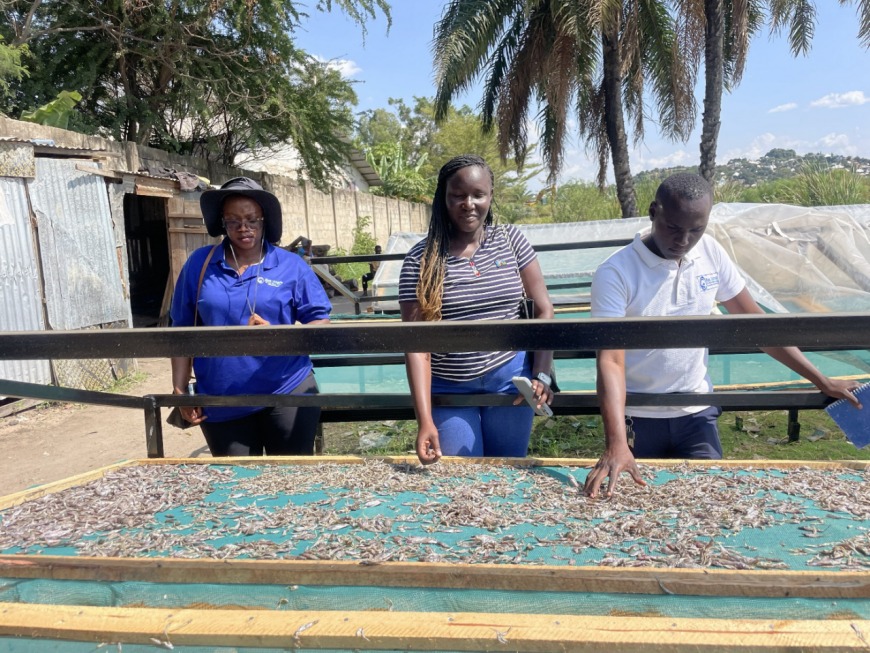
    For many years, women processors at Mswahili Beach Management Unit (BMU) relied on traditional methods of drying fish directly on sand or old fishing nets. These methods became increasingly difficult as changing weather patterns brought unpredictable rainfall and high humidity.


    Fish was often contaminated by dust, soil, insects, and animals, resulting in poor quality products and significant financial losses for women processors.


    To address these challenges, the project introduced climate-resilient elevated fish drying racks designed to improve fish quality and protect products during the drying process.


    Three elevated drying racks were constructed at Mswahili BMU using locally available materials. The technology provides a simple and affordable solution that is well suited for fishing communities around Lake Victoria.


    The initiative also provided practical training to 30 women fish processors on hygienic fish handling practices and climate adaptation measures. Fisheries officers offered technical support throughout the implementation process.


    Local communities played an active role in selecting construction sites and participating in project implementation. Community ownership arrangements were established to ensure the drying racks are properly managed and maintained.


    The project combines traditional fish processing knowledge with improved drying technologies. By building on existing community practices, the initiative has developed a locally led and climate-resilient solution that responds directly to the needs of women fish processors.


    Since the introduction of the drying racks, women processors have reported improvements in fish hygiene and product quality. Cleaner drying practices have also helped reduce contamination and post-harvest losses.


    Thirty women fish processors have directly benefited from the initiative. Their families, local fish traders, and consumers are also benefiting through improved fish quality and increased household income opportunities.


    "Before these drying racks, we dried fish on the ground and lost a lot during the rainy season. Now our fish is cleaner, dries faster, and buyers are willing to pay better prices," said Amina Wambura, a woman fish processor at Mswahili BMU.


    The initiative has also strengthened community participation in climate adaptation efforts and increased women's involvement in sustainable fisheries management.


    Although the project experienced delays in obtaining regulatory approvals before construction began, community members remained engaged and participated in planning meetings throughout the process.


    There is growing interest in expanding the initiative to other Beach Management Units around Lake Victoria. Additional support is needed to construct more drying racks, introduce solar drying technologies, and provide training opportunities for more women and young fish processors.


    The experience at Mswahili BMU demonstrates that simple, locally driven technologies can help communities adapt to climate change while improving livelihoods and strengthening resilience in small-scale fisheries.


    Star InactiveStar InactiveStar InactiveStar InactiveStar Inactive


    For many women in rural northern Nigeria, access to water is more than a daily necessity, it is a matter of dignity, health, and opportunity. Yet despite being the primary managers of household water resources, women are often excluded from decisions about how water is governed and managed.


    The Civil Alliance for Climate Protection and Education (CACPE), a recent beneficiary of the Climate Justice International Fellowship Alliance (CJIFA) Cohort 5, is working to change this reality through community-led climate justice action.


    Founded in 2023 and based in Kano State, Nigeria, CACPE is a non-profit organization dedicated to advancing climate justice, environmental sustainability, and community resilience. Through initiatives focused on advocacy, clean energy, climate-smart agriculture, and environmental protection, the organization has already reached more than 9,500 people.


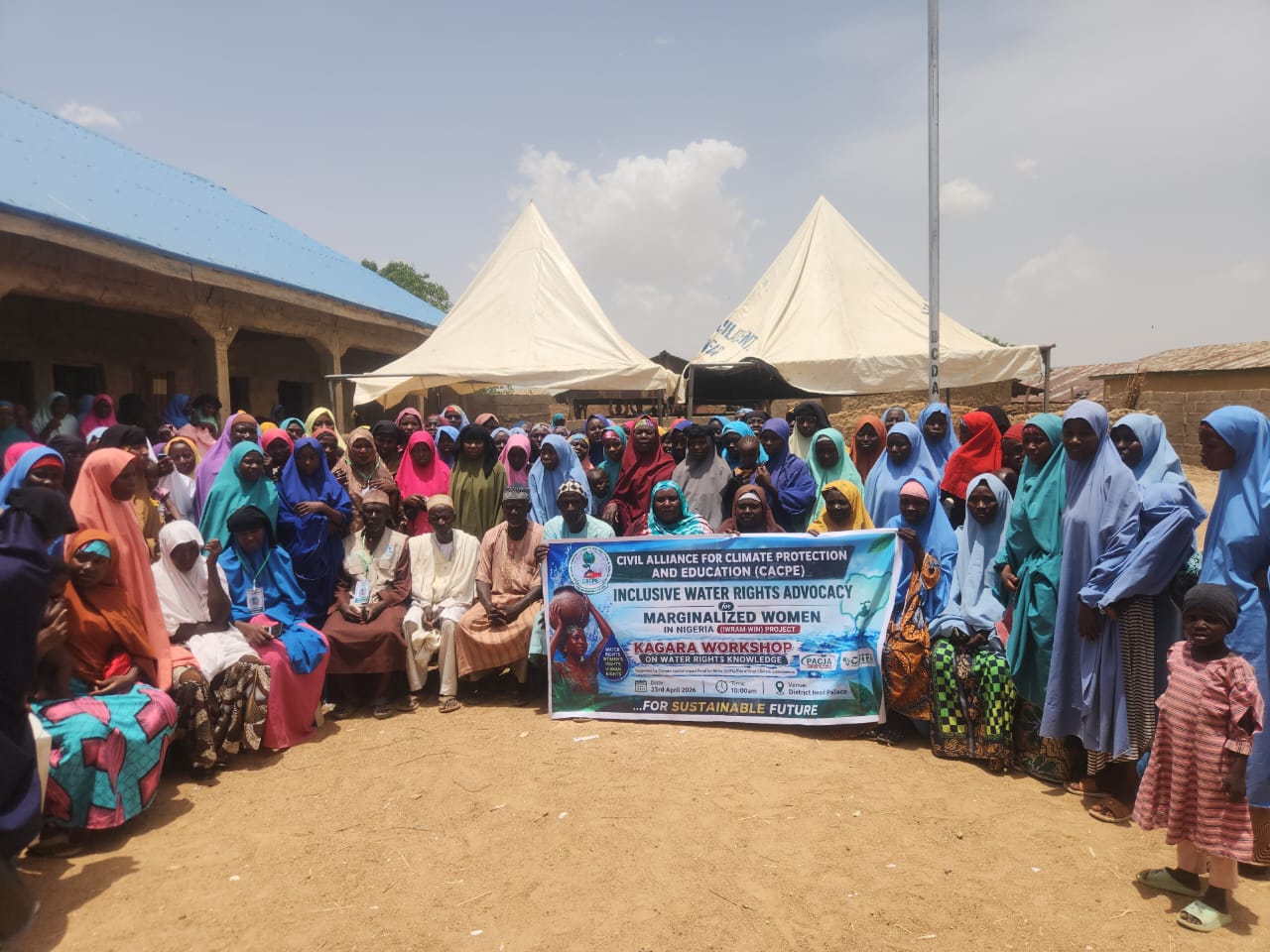
    With support from CJIFA, CACPE launched the Inclusive Water Rights Advocacy for Marginalized Women in Nigeria (IWRAM-WIN) project in Zamfara State. The initiative seeks to address the exclusion of women from water governance and decision-making processes, despite the central role they play in managing household water needs.


    The project began by listening to communities.


    Through a baseline assessment conducted across three communities in Zamfara State, CACPE engaged 229 community members to better understand local water challenges and identify barriers limiting women's participation in water governance.


    The findings reinforced the need for stronger representation of women in local decision-making structures.


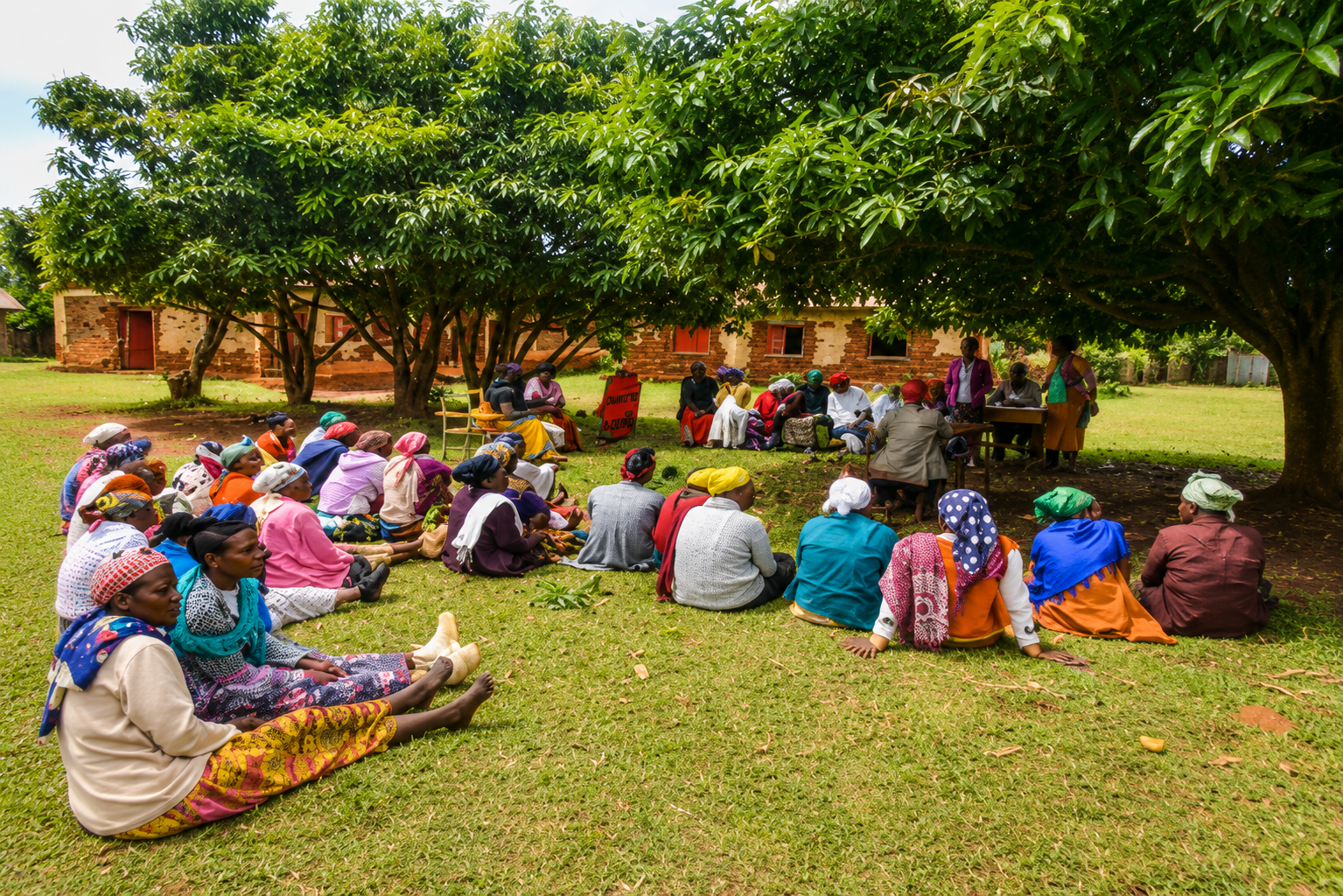
    In response, CACPE facilitated the establishment of three Women Water Rights Committees comprising 21 elected women leaders. These committees are helping women take a more active role in discussions around water access, governance, and community development.


    To strengthen grassroots advocacy, the organization also recruited and trained six female paralegals. These women are now supporting awareness creation on water rights and helping communities better understand the systems and policies that affect access to water.


    Knowledge has become a powerful tool for empowerment.


    CACPE developed a Water Rights Handbook and translated it into both English and Hausa to ensure accessibility for local communities. The organization also conducted legal literacy workshops that reached 230 marginalized women, equipping them with information on their rights and opportunities for engagement.


    The project further mapped nine water rights violation hotspots in Gusau, generating evidence that can inform advocacy efforts and strengthen accountability.


    Alongside advocacy, CACPE has focused on practical solutions that directly improve people's lives.


    Three abandoned hand pumps were repaired, restoring access to water for community members who had long struggled with unreliable water sources. For many families, this has reduced the burden of traveling long distances in search of water.


    One of the most encouraging outcomes has been the growing confidence of women who previously had little involvement in community decision-making.


    Today, many are participating in conversations on water governance and community development, helping shape solutions to challenges that directly affect their lives.


    According to CACPE Founder and CEO, Yahuza Hambali, community ownership remains at the heart of the organization's approach.


    "I believe lasting change begins when communities are given the opportunity to lead their own development. Our vision is a future where women, youth, and marginalized groups are not only heard but are actively shaping the decisions that affect their lives, resources, and environment," he says.


    CACPE attributes part of its growth and approach to lessons gained through the Nairobi Summer School on Climate Justice, which strengthened its understanding of climate justice as both an environmental and social issue.


    The experience also reinforced the importance of grassroots leadership, evidence-based advocacy, and community-driven solutions while connecting the organization with a wider network of climate justice practitioners across Africa.


    While challenges such as insecurity in some communities, limited awareness of climate justice issues, and increasing climate pressures remain, CACPE continues to work alongside local communities, government institutions, and civil society actors to build resilience and promote inclusive governance.


    Looking ahead, the organization plans to expand its work on climate justice, water governance, environmental protection, and community resilience across more communities in Nigeria.


    Star InactiveStar InactiveStar InactiveStar InactiveStar Inactive


    In Mozambique's Sofala Province, communities continue to face the growing impacts of climate change, including recurrent floods, destructive winds, and widespread environmental degradation driven by deforestation. These challenges threaten livelihoods, food security, and the resilience of vulnerable communities.


    At the forefront of addressing these challenges is the Women's Association for the Promotion of Community Development (AMPDC), a local non-profit humanitarian organization working to strengthen community resilience while protecting natural ecosystems.


    Founded in 2007 and based in Beira City, AMPDC serves vulnerable communities, with a particular focus on women and orphaned children. Its work spans human rights, gender equality, social protection, and climate action, supporting communities to build more sustainable and resilient futures.


    AMPDC's engagement in climate action intensified following Cyclone Idai in 2019, one of the most devastating natural disasters to hit Mozambique. The cyclone exposed the vulnerability of communities across Sofala Province and underscored the urgent need for locally led solutions that strengthen resilience to climate-related disasters.


    To advance this mission, AMPDC received financial support in 2025 through the Climate Justice Impact Fund for Africa (CJIFA) as a Cohort 5 beneficiary. The funding enabled the organization to implement a community-led climate resilience project in Savane, Dondo District—an area heavily affected by deforestation and increasingly vulnerable to extreme weather events.


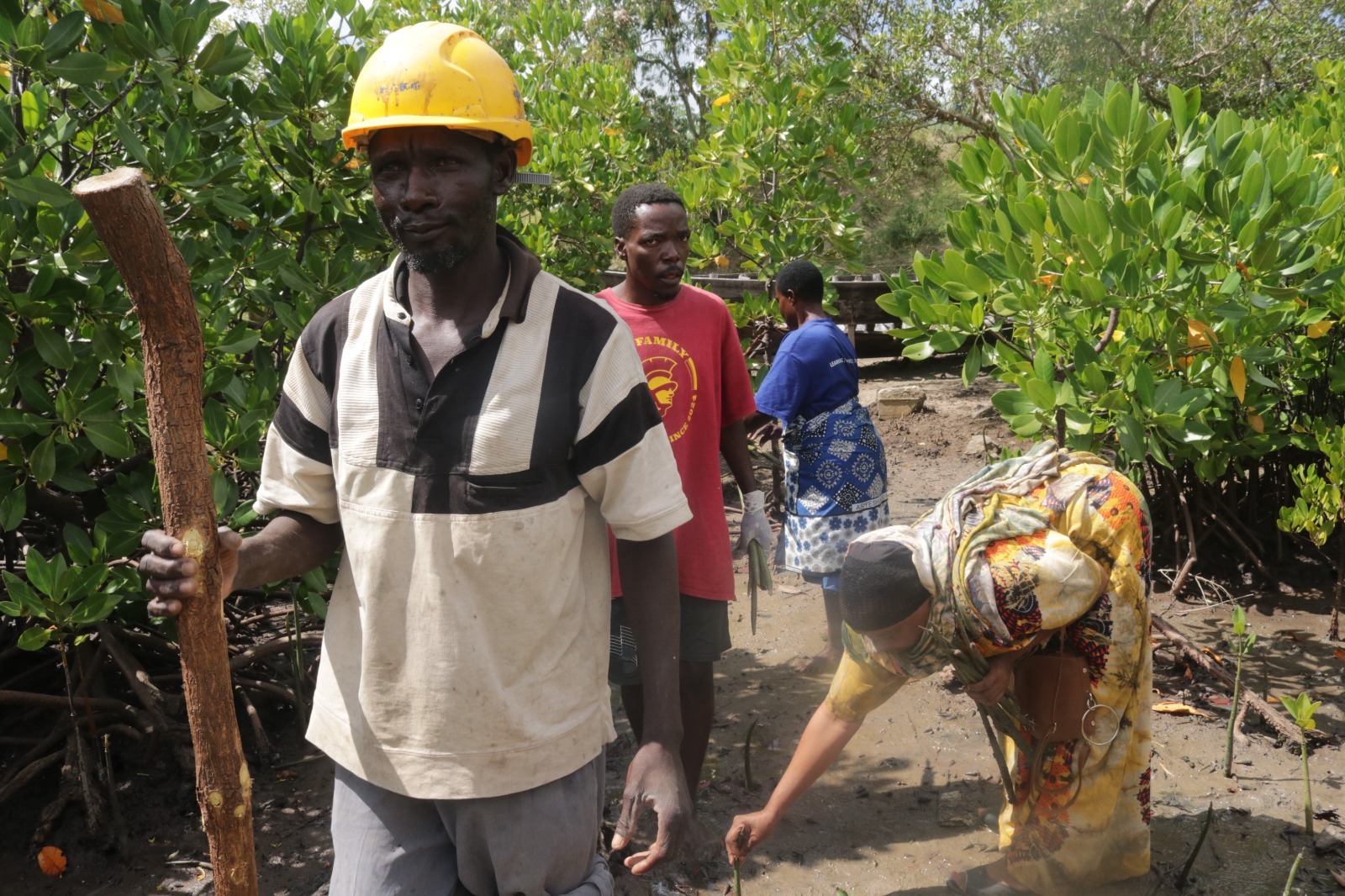
    The project focused on empowering local communities to become stewards of their environment. Around 50 community members, half of them women, received training on climate change, sustainable natural resource management, and disaster risk reduction, equipping them with practical knowledge to respond to climate challenges while protecting local ecosystems.


    To promote long-term community ownership, AMPDC facilitated the establishment of two local committees responsible for coordinating natural resource management and disaster risk reduction activities. These committees continue to serve as community platforms for climate awareness, environmental conservation, and emergency preparedness.


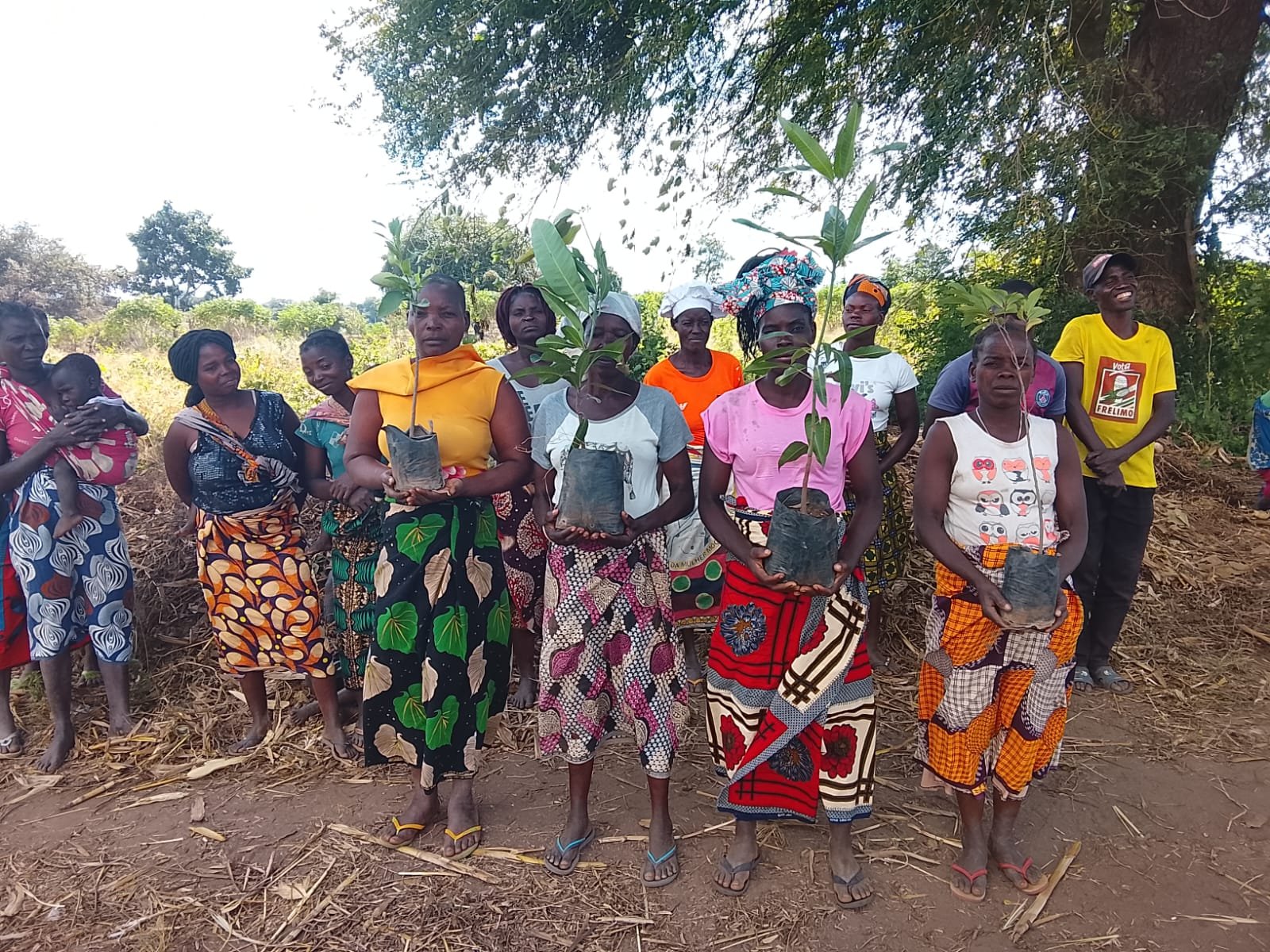
    The initiative also supported ecosystem restoration efforts. Community members identified and mapped priority areas for reforestation and received nursery materials, including seedling bags, to establish nurseries for indigenous tree species and locally important fruit trees.


    Beyond restoration activities, AMPDC engaged schools, community members, and charcoal producers in awareness campaigns promoting climate change adaptation, ecosystem conservation, and the protection of indigenous forests. These engagements strengthened community understanding of the close relationship between healthy ecosystems and climate resilience.


    Today, despite limited resources, the community committees established through the project remain active. They continue to raise awareness on flood preparedness, promote sustainable environmental practices, and encourage collective action to reduce climate risks across their communities.


    AMPDC's work demonstrates the transformative potential of locally led climate action. By investing in community knowledge, strengthening local leadership, and restoring degraded ecosystems, the organization is helping communities in Sofala Province build resilience from the ground up while safeguarding the natural resources on which their future depends.


    CJiFA web

    The Climate Justice Impact Fund for Africa (CJIFA) was established to accelerate transformative climate action, the imperatives of climate justice and amplify voices of communities at the frontline of climate crisis in African countries and communities. It is aimed at producing lasting change that comes from the collective activism of those who are either structurally excluded, disempowered, exploited or stigmatized.

    Subscribe >>>

    Search