
Smallholder farmers in Ethiopia's Wolaita Zone are finding new ways to adapt to the impacts of climate change.
Through climate-smart coffee farming and agroecological restoration, communities are strengthening their livelihoods while protecting their environment.
The initiative is being implemented by the Center for Empowerment Ethiopia Association (CEE) with support from the Climate Justice Impact Fund for Africa (CJIFA).
Communities in the area have been facing several climate-related challenges, including land degradation, declining soil fertility, soil erosion, unreliable water availability, and biodiversity loss.
These challenges have affected agricultural productivity and increased the vulnerability of smallholder farmers.
Women involved in coffee farming are among the most affected, as many households rely on rain-fed agriculture for both income and food security.
To address these challenges, local communities are adopting climate-smart agricultural practices that improve productivity while restoring degraded landscapes.
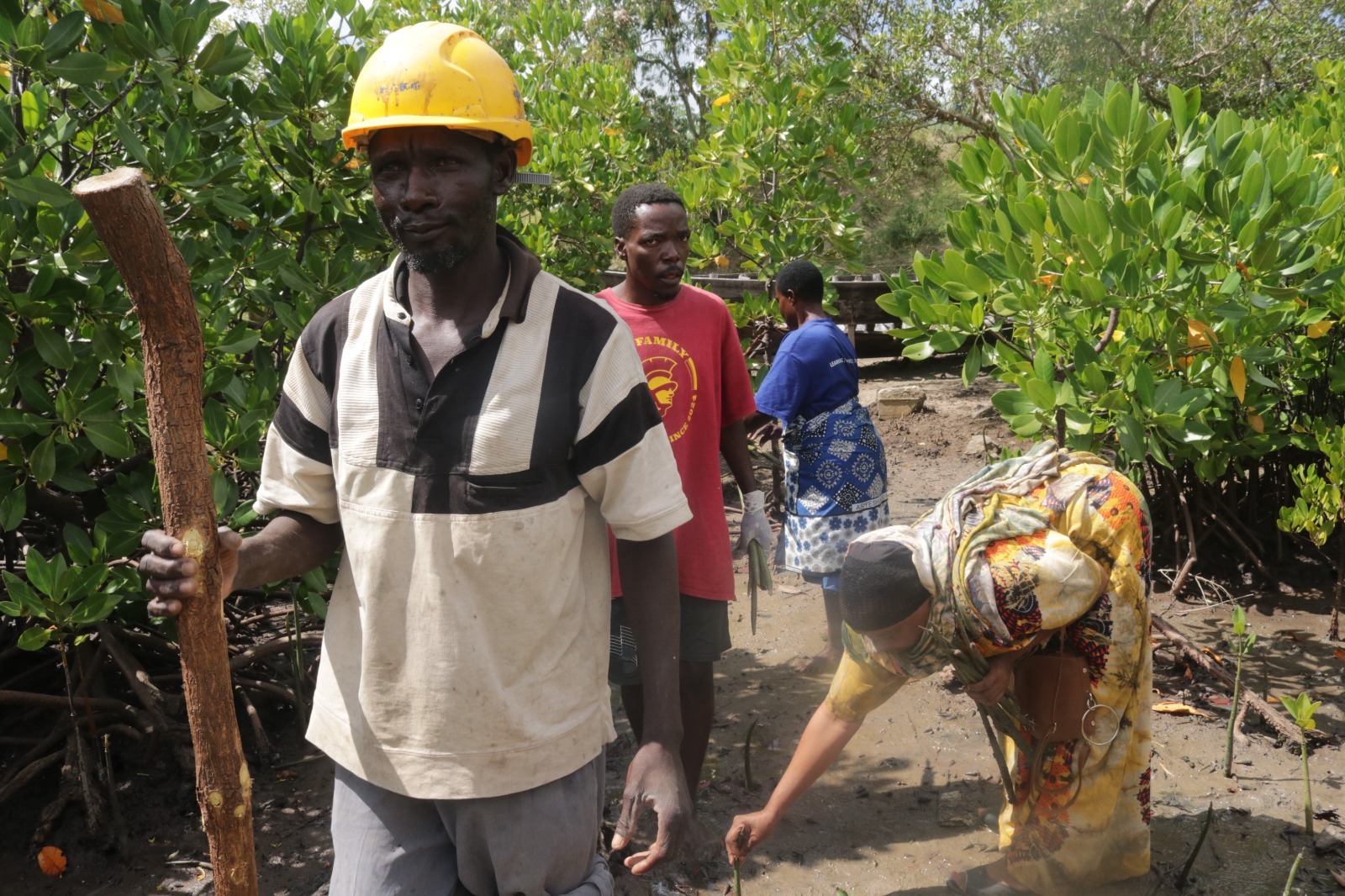
The initiative promotes sustainable coffee farming, indigenous tree planting, and better soil and water management practices.
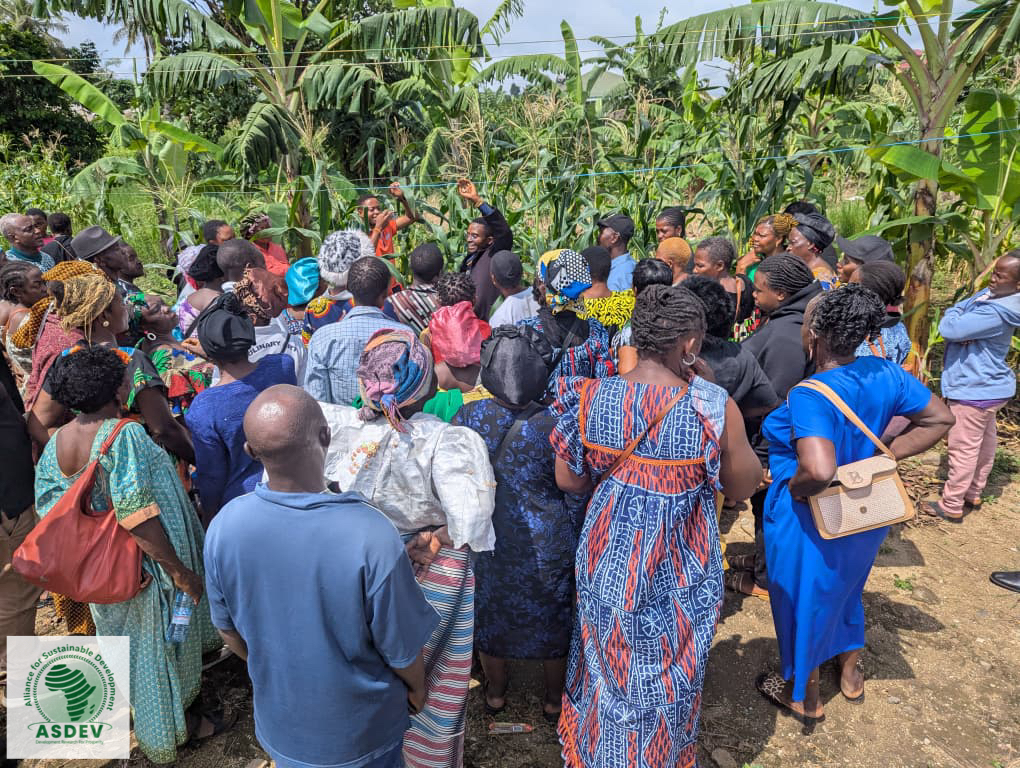
Demonstration plots have been established to train farmers on climate-resilient farming techniques. Farmers are also being supported to produce and use organic compost to improve soil health and conserve moisture.
The project is promoting indigenous tree seedlings and agroecological land restoration to improve biodiversity and strengthen ecosystem resilience.
Women are playing an important role in the initiative through coffee production and green enterprise development. Their participation is helping to strengthen local climate solutions while creating opportunities for economic empowerment.
The initiative also supports community financial inclusion through partnerships with Savings and Credit Cooperative Organizations (SACCOs). These partnerships are helping communities access financial services that can support climate-resilient livelihoods.
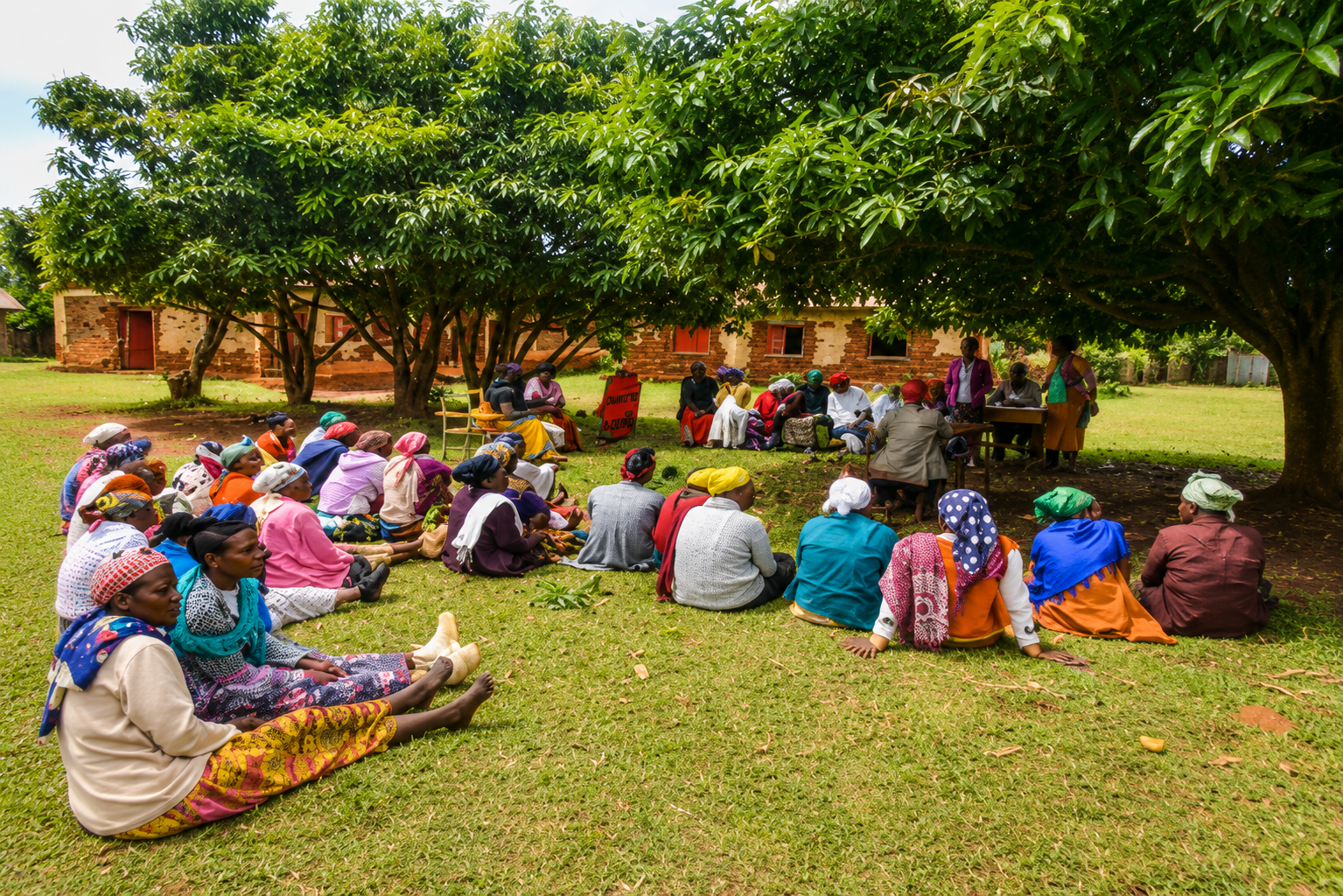
Local communities are actively involved in project planning, governance, monitoring, and decision-making processes. Community members contribute their knowledge and experiences to ensure that the solutions implemented are locally relevant and sustainable.
The initiative combines indigenous knowledge with climate-smart innovations. Community-led seed selection, organic composting, and participatory governance are among the approaches being used to strengthen resilience.
So far, the project has recorded positive progress. Communities have increased their participation in local governance structures, demonstration sites have been established, and efforts to restore degraded ecosystems are underway.
Improved water management practices and indigenous tree planting are contributing to environmental restoration, while women-led enterprises are laying the foundation for more sustainable livelihoods.
Despite the progress made, challenges remain. The initiative requires additional support for digital monitoring systems, technical mentoring, resource mobilization, and peer-learning opportunities to strengthen community-led climate action.
The experience from Wolaita Zone demonstrates that locally led climate action can deliver meaningful results when communities are empowered to lead the process. By investing in local knowledge, women's leadership, and climate-smart practices, communities are building resilience for both people and the environment.