
In the fight against climate change and its impact on vulnerable communities, grassroots movements play a crucial role in driving local action and advocating for justice.
The Climate Justice Impact Fund for Africa (CJIFA) has been instrumental in supporting such initiatives, providing vital resources to empower communities and enhance their resilience.
Two standout projects funded by CJIFA illustrate the profound impact of grassroots activism in addressing climate and social justice challenges.
In Isiolo County, Kenya, entrenched cultural practices and environmental degradation have long impeded women's rights and environmental protection. Isiolo Gender Watch, with a CJIFA grant of EUR 5,000, has made remarkable strides in this context.
The organization established the Social and Climate Justice Movement, a collective aimed at advocating for women’s rights and environmental justice. The initiative emerged as a response to the tragic murder of Elizabeth Ibrahim Ekaru, a renowned women’s rights and environmental defender, highlighting the need for a unified voice against such atrocities.
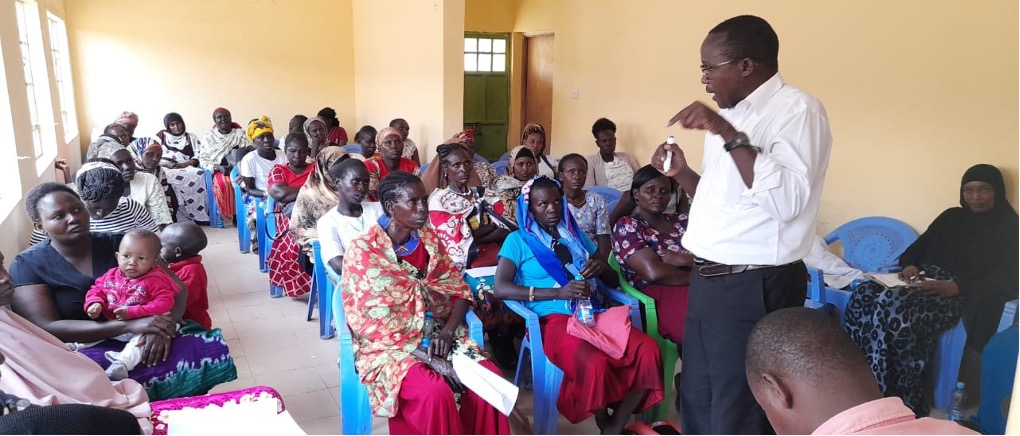
The grant facilitated crucial activities, including legal battles for Ekaru’s case, transportation and meeting expenses for grassroots advocacy, and the creation of online platforms to support the movement. The result has been a strengthened presence in courtrooms, heightened public awareness, and significant mobilization of support from volunteers and media. This project underscores the power of grassroots organizations in demanding justice and protecting the rights of marginalized groups in the face of climate variability and socio-cultural challenges.
In Meru County, Kenya, wetlands have faced severe degradation due to deforestation, encroachment, and improper land use. NETCARE, a local community-based organization, received a CJIFA grant to tackle these issues through wetland restoration and community engagement. Their approach involved educating the community about the importance of wetlands and implementing practical restoration activities.
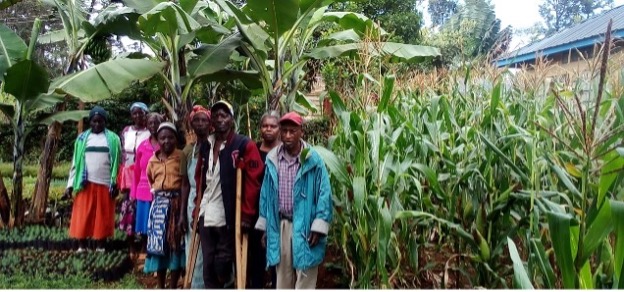
With CJIFA's support, NETCARE established a demonstration farm, trained over 300 community members, and initiated widespread tree planting and wetland restoration efforts. The project led to the restoration of over 20 wetlands and the planting of more than 100,000 trees.
Additionally, it prompted policy changes, such as the Meru County Government's commitment to fencing all wetlands. This initiative highlights how targeted funding can drive substantial environmental and policy changes, demonstrating the essential role of local organizations in ecosystem restoration and climate adaptation.