
In many rural homes across Baringo County, cooking remains a daily necessity that comes with a heavy cost. Families spend significant amounts on fuel, while continued dependence on firewood increases pressure on local forests and the environment.
For Ecohela, a beneficiary of Cohort III of the Climate Justice Impact Fund for Africa (CJIFA), the solution lies in improving both the fuel people use and the technologies they cook with. Supported by CJIFA, the organization is advancing community-driven clean cooking solutions that are more accessible, affordable, and practical for rural households, especially women.
The Climate Justice Impact Fund for Africa (CJIFA) is a locally led climate justice fund that provides financial and technical support to grassroots organizations across Africa implementing community-driven climate solutions. Through its cohort-based support model, CJIFA helps local actors scale innovative approaches that strengthen climate resilience, environmental sustainability, and social inclusion.
Through its locally led work in Baringo County, Ecohela is expanding practical clean cooking solutions that respond to the realities of rural households while reducing pressure on forests and natural resources.
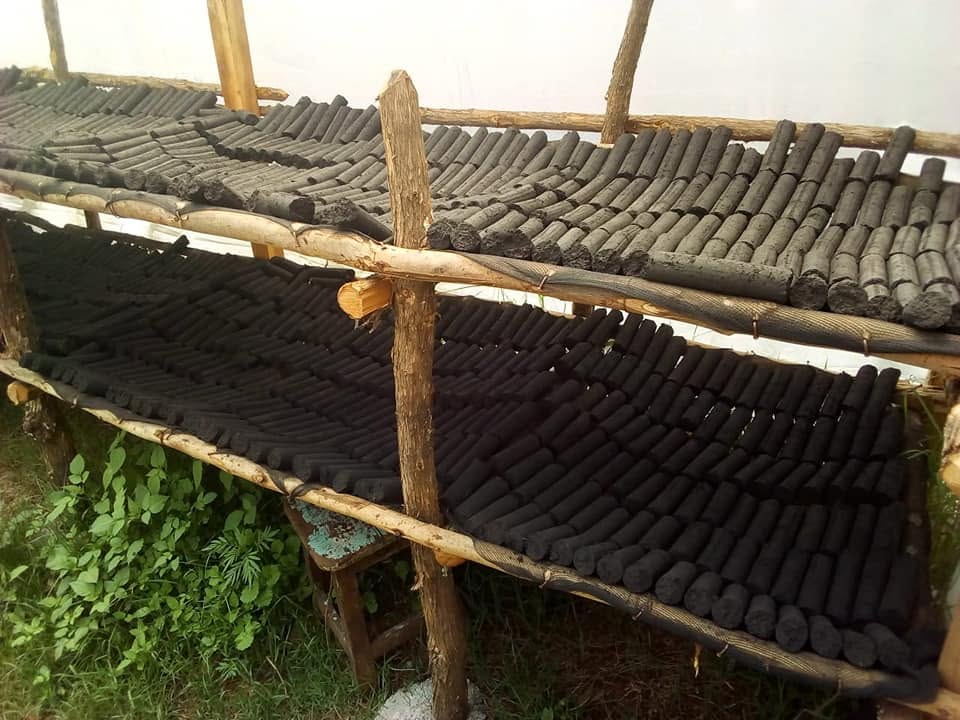
The initiative began with efforts to scale the production of charcoal briquettes made from recycled organic materials. With improved production capacity and access to raw materials, Ecohela has increased the availability of briquettes within local communities.
However, it soon became clear that fuel alone was not enough.
To fully maximize the efficiency of the briquettes, households also needed cooking technologies that use less energy and retain heat for longer. This insight led Ecohela to expand its work into energy-efficient cookstoves.
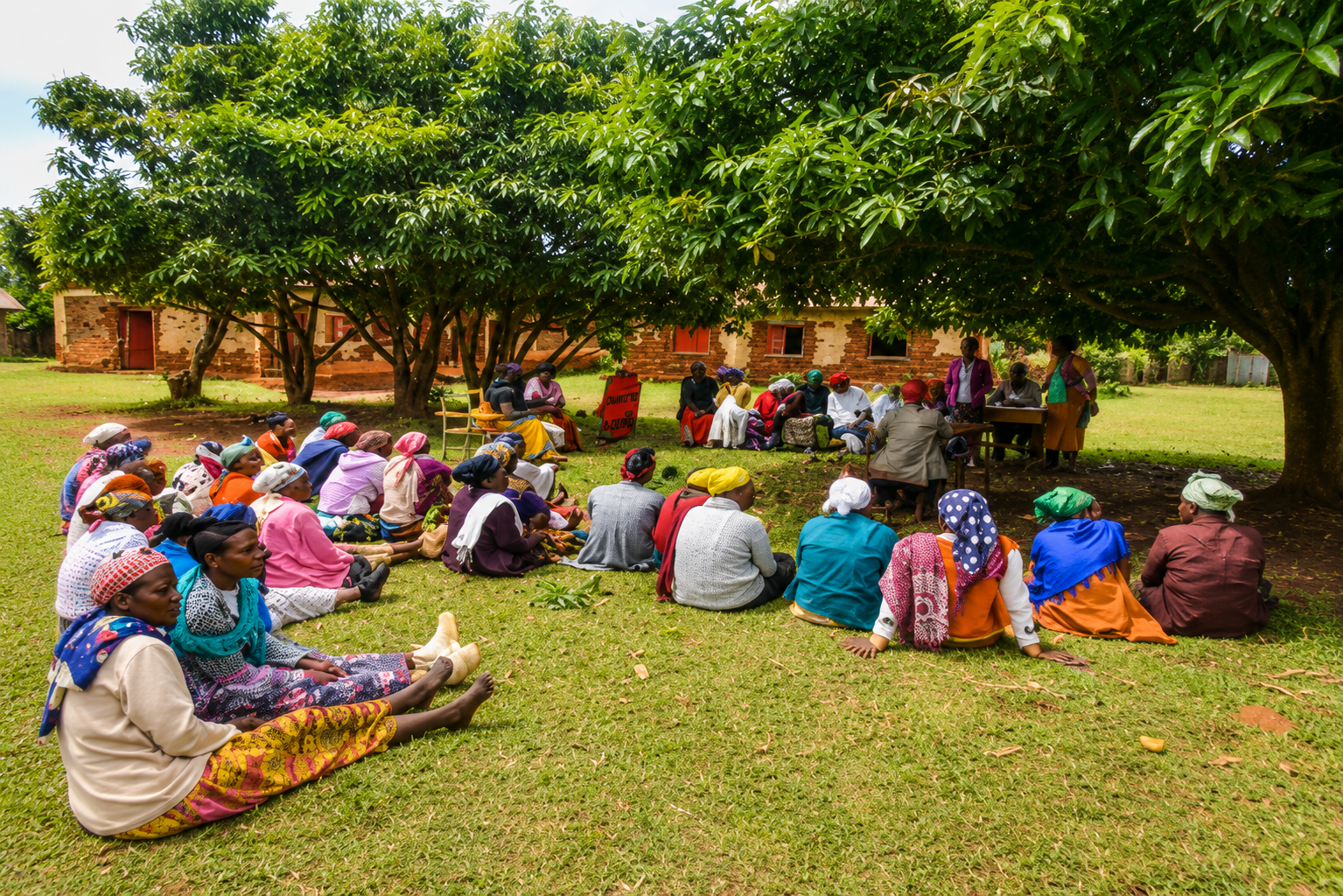
Working alongside a local women’s group, the organization provided training on the fabrication and installation of improved cookstoves known as Chepkube Jikos. Women involved in the initiative gained practical skills that enable them to produce and install the stoves within their communities.
Beyond access to cleaner cooking solutions, the partnership has created opportunities for women to acquire skills, engage in local enterprise, and champion cleaner and more efficient cooking practices. To date, 67 women have been trained in the fabrication and installation of Chepkube Jikos, while 42 households have benefited from improved access to clean cooking solutions through the initiative.
The Chepkube Jiko is designed to reduce fuel consumption while improving cooking efficiency. When used together with Ecohela’s briquettes, households are able to cook with less fuel, lowering both costs and environmental impact. Community members using the technologies have reported improved cooking efficiency and reduced dependence on traditional fuels, contributing to both household savings and environmental conservation.
To support community awareness and adoption, Ecohela established a demonstration kitchen where residents can observe and compare different energy-saving cookstoves in a practical setting. This space serves as a learning center where community members can experience clean cooking technologies firsthand before deciding which solutions best suit their needs.
For many families, seeing these technologies in use has helped bridge the gap between awareness and adoption.
The initiative reflects a growing understanding that climate action is most effective when it responds to local realities. Rather than introducing external solutions, Ecohela builds on community knowledge, local partnerships, and the everyday experiences of households facing energy challenges.
The work has also continued to gain recognition. In 2026, Ecohela was selected to join the IYBA WE4A Entrepreneurship Programme, where it will receive additional support to strengthen and scale its clean energy initiatives.
While challenges around clean cooking and environmental sustainability remain significant, Ecohela’s approach demonstrates how locally led climate action can deliver practical solutions that improve livelihoods while protecting natural resources.
Through support from the Climate Justice Impact Fund for Africa, such community-rooted initiatives are being advanced across the continent, helping local actors develop solutions that directly respond to the needs of the people they serve.
In Baringo County, this support is helping transform the simple act of cooking into an opportunity for environmental stewardship, economic empowerment, and a more sustainable future for rural communities.